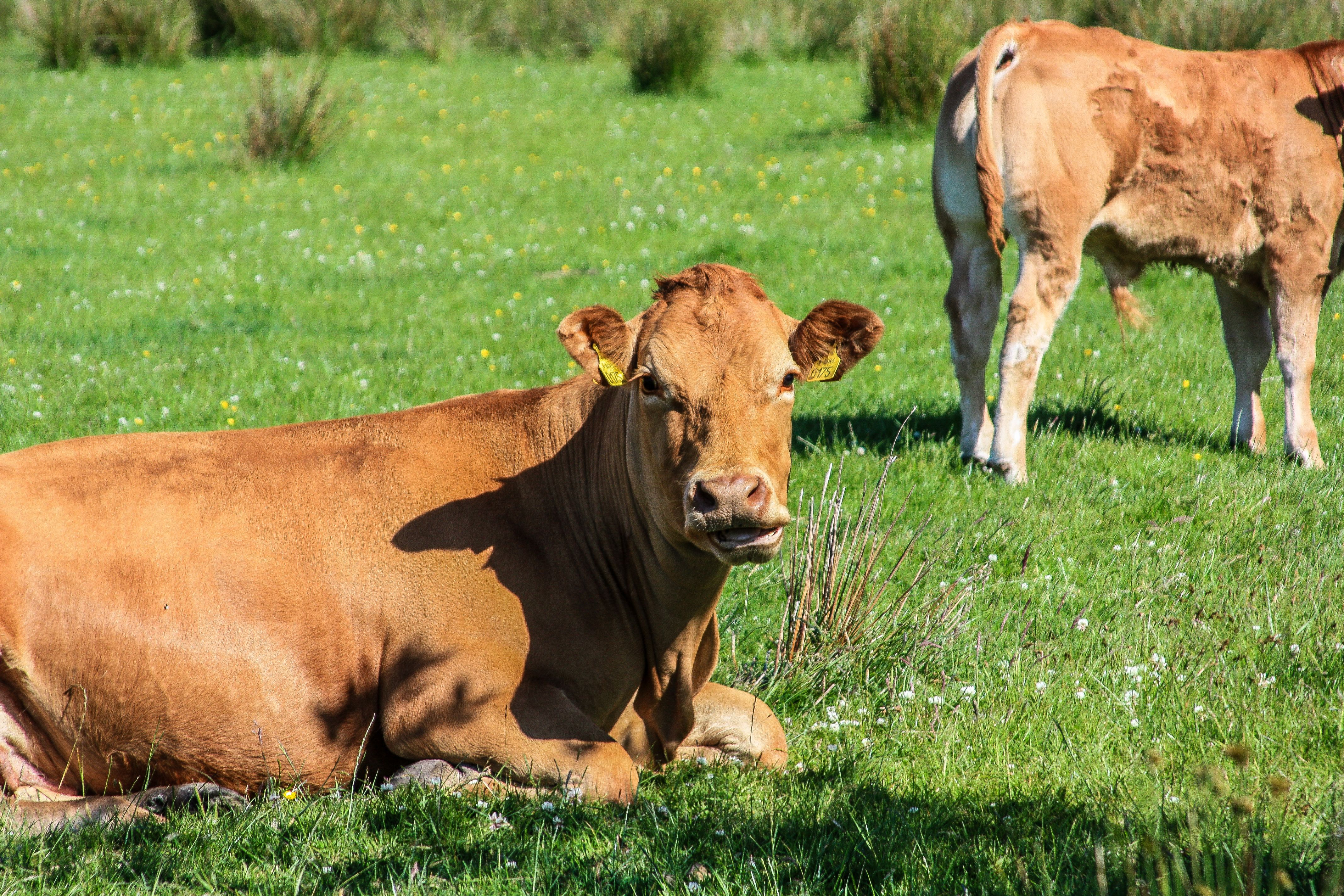
7 Essential Steps for Effective Herd Management
Effective herd management is crucial for maintaining a healthy, productive herd.

Effective herd management is crucial for maintaining a healthy, productive herd. In this guide, we'll explore seven essential steps that will help you ensure your livestock thrive. From understanding nutritional needs to implementing vaccination programs, each step plays a vital role in successful herd management. Let's dive into these key practices that every livestock manager should know!
1. Understanding Nutritional Requirements
Nutritional needs vary across different species and stages of life, making it important to tailor feeding programs to ensure optimal health and productivity. For instance, gestating animals have unique needs compared to growing ones. Consequently, comprehensive nutrition plans focus on providing the right balance of proteins, vitamins, and minerals that can allow each animal to thrive.
Additionally, regular analysis of forage quality can profoundly affect your herd's nutritional strategy. By adapting to seasonal changes and understanding the nutritional profile of your feed, you can maximize the efficiency of your feeding practices. Moreover, consulting with a veterinarian or an animal nutritionist can provide invaluable insights tailored to your herd's specific requirements.
2. Implementing a Breeding Strategy
Developing a thoughtful breeding plan can significantly improve herd genetics and productivity, ensuring future generations are strong and healthy. One key aspect is selecting breeding stock based on desired traits, such as disease resistance or high milk yield. This careful selection process plays a crucial role in enhancing your herd’s overall performance.
Moreover, understanding the timing of breeding cycles can lead to successful pregnancies and more uniform calving seasons. Employing technologies such as artificial insemination can further enhance your breeding success. This method allows for the introduction of superior genetics while maintaining your herd's existing strengths.
3. Regular Health Assessments
Routine health checks help in early detection of diseases, allowing for timely intervention and reducing the impact on your overall herd. Implementing a scheduled vaccination program is essential as it not only safeguards individual animals but also prevents the spread of infectious diseases throughout the herd.
It's equally important to monitor other health indicators, such as weight gain and behavior changes, during these assessments. For example, an unexpected drop in weight can signal health issues or insufficient nutrition. By keeping detailed records and maintaining open communication with your veterinarian, you can address problems early, ensuring a healthy and robust herd.
4. Maintaining Clean and Safe Living Conditions
A clean habitat not only reduces the risk of disease but also promotes better mental well-being for your animals. Regular cleaning of barns, pens, and water troughs should be part of your daily routine. The old adage 'prevention is better than cure' rings especially true in herd management. Ensuring that your herd has a clean and dry living environment will decrease stress and improve overall productivity.
Additionally, providing adequate space and proper ventilation in housing structures is critical. Overcrowding can lead to aggressive behavior and increased competition for resources, which can negatively impact animal welfare. Thus, thoughtful design and regular evaluation of shelter conditions can have profound effects on the health and behavior of your herd.
5. Vaccination and Preventative Care
Keeping up to date with vaccinations and preventative care measures is key for protecting your herd from common illnesses. A well-planned vaccination schedule can prevent outbreaks of diseases such as bovine respiratory disease and brucellosis, which can devastate herds if not managed proactively.
Furthermore, integrating nutrition and health plans can support your animals’ immune systems. Healthy animals are less likely to succumb to illness, making it imperative to link health care and nutritional strategies together for the best outcomes.
6. Monitoring Behavioral Signs
Understanding animal behavior can provide insights into their health and well-being, helping you respond quickly to any issues. Observing daily activities, such as feeding and social interactions, allows you to identify changes that may indicate stress or illness.
For instance, if you notice a decrease in social interaction or a change in eating habits, it might be time to investigate further. Regular observation of your herd not only fosters a closer connection to your animals but also equips you with the information necessary to make informed management decisions.
7. Utilizing Technology in Herd Management
Incorporating technology such as tracking systems and health management software can streamline operations and improve herd productivity. Many modern farms are embracing digital tools that offer real-time data on the health and productivity of each animal, allowing for more informed decision-making.
For example, electronic identification tags can help track individual animals' movements and health records, simplifying the management process. While technology can enhance efficiency, it remains essential to balance technical solutions with traditional animal husbandry practices for optimal results.